Search in Members
Search in Members
Search in Albums
Search in Photos
Search in Articles
Search in News
Search in Polls
Search in Blogs
Search in Businesses
Search in Contests
Search in Events
Search in Groups
Search in Listings
Search in Professional Likes
Search in Music Albums
Search in Music Songs
Search in Pages
Search in Questions
Search in Quotes
Search in Site Team
Search in Recepies
Search in Thoughts
Search in Videos
Search in Channels
Search in Wishes
Search in Prayers
Search in Discussions
Search in Jobs
Search in Products
Search in Products
Posted by - Afro Social Admin
-
on - May 23 -
Filed in - Society -
-
127 Views - 0 Comments - 0 Likes - 0 Reviews

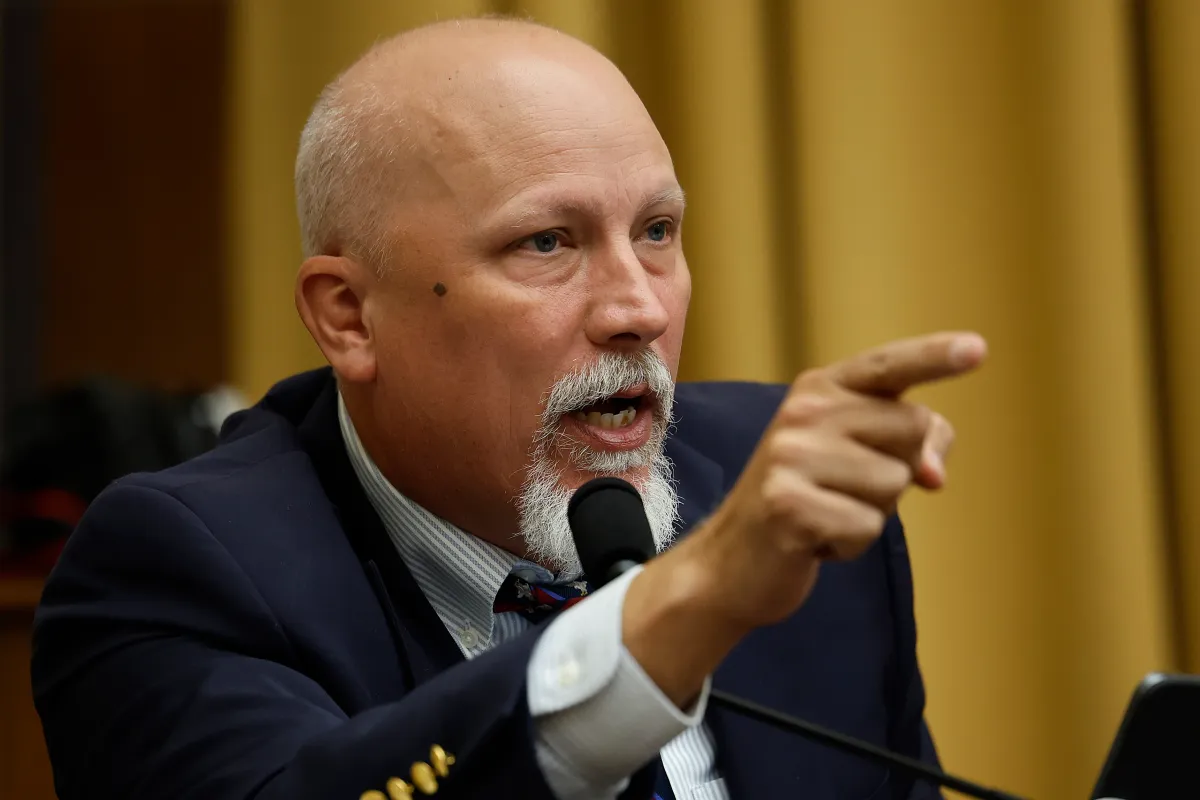
WASHINGTON — A fresh legislative battle is brewing in Congress over the financial pipelines used by foreign nationals to send money home. Representative Chip Roy (R-TX) has officially introduced the Reducing External Monetary International Transfers to Advance National Capital Efficiency (REMITTANCE) Act, a bill that aims to levy a steep 25% tax on international money transfers sent by non-citizens.
The target of the bill—remittances—represents a massive economic pipeline. Millions of immigrants living and working within the United States routinely transfer a portion of their earnings back to relatives and communities in their countries of origin. According to data published by the World Bank, these outward financial flows from the U.S. reached an estimated $103.2 billion in 2024 alone.
The introduction of the REMITTANCE Act marks a drastic escalation from existing fiscal policies enacted just last year. The concept of taxing cross-border transfers was a major focal point during congressional debates surrounding President Donald Trump’s broad economic legislative package, colloquially dubbed the “One Big Beautiful Bill.”
The legislative journey of that initial tax reveals a history of compromise that Representative Roy is now looking to bypass:
The 5% Draft: Early iterations of the 2025 tax-and-spending legislation originally floated a 5% baseline tax on overseas transfers.
The 3.5% Compromise: As the bill moved through committee workshops in the House of Representatives, the proposed rate was scaled back to 3.5%.
The 1% Law: By the time the final compromise package was signed into law in July 2025, the rate was reduced to a 1% excise tax.
That 1% tax, which went into effect at the start of 2026, features a relatively narrow scope. It primarily impacts physical transactions—such as those funded with cash or paper instruments—leaving the vast majority of digital and electronic bank transfers completely exempt. Representative Roy’s new bill would eliminate these distinctions, significantly hiking the rate to 25% while specifically narrowing the tax's legal focus onto foreign nationals.
In a public statement detailing the rationale behind the legislation, Representative Roy argued that the bill is a necessary measure to protect the domestic economy from capital flight. He asserted that the American economy has suffered for decades from a dual financial strain: the economic pressures of unchecked legal and illegal immigration, compounded by billions of domestic dollars exiting the U.S. financial system through outbound transfers.
The statutory push has garnered strong praise from hardline immigration restrictionist groups. Organizations such as the Immigration Accountability Project (IAP) and the Federation for American Immigration Reform (FAIR)—the latter classified as a hate group by the Southern Poverty Law Center—have thrown their weight behind the bill. Rosemary Jenks, the policy director for the IAP, issued a statement branding the outflow of money as unacceptable, arguing that American taxpayers are unfairly burdened with the indirect costs of supporting foreign nationals within the country, only to watch those earnings leave the domestic market.
However, the 25% tax proposal faces sharp criticism from economic policy experts who warn of counterproductive market signals. Veronique de Rugy, the George Gibbs chair in political economy and a senior research fellow at the Mercatus Center, has warned that imposing a financial penalty on remittances could inadvertently stimulate more immigration. According to de Rugy, if workers realize that a quarter of their earnings will be deducted by the government before reaching their families, they are highly likely to extend their stay in the U.S. or migrate in larger numbers just to offset the financial deficit.
The legislative push arrives alongside aggressive executive maneuvers targeting immigration-related banking. President Trump recently signed a sweeping executive order directing federal financial regulators and banking institutions to heavily scale up their oversight of cross-border transactions and the immigration status of account holders.
While the White House frames the executive order as a vital tool to mitigate national security threats and financial fraud, its mandates directly overlap with the current debate by requiring:
Significantly stricter customer identification protocols ("Know Your Customer" rules) at retail banks.
The deployment of advanced monitoring to flag systemic patterns associated with unauthorized cross-border money movement.
Enhanced due diligence and regulatory warnings regarding banks providing financial accounts to individuals who lack stable, legal authorization to work in the country.
Whether Representative Roy's REMITTANCE Act can secure the votes needed to pass both chambers of Congress remains highly volatile. While the bill enjoys enthusiastic support from the conservative wing of the Republican party, prior attempts to tax international money transfers have historically triggered intense pushback from mainstream business coalitions, banking lobbies, and humanitarian advocacy groups, all of whom worry about the compliance costs and systemic impacts on the financial sector.
We are a close community to help to meet and greet new people.
We are a secure community with 5000+ active members who help you with your queries, post new updates and grow your network.